
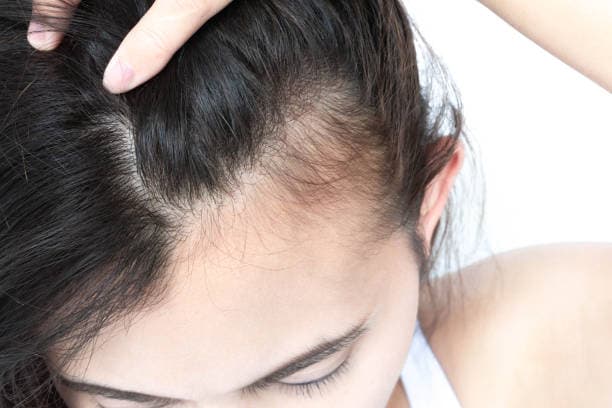
Postpartum Hair Loss vs. Other Hair Loss: A Comprehensive Guide for New Moms
If you're experiencing hair loss after childbirth, you're not alone. Many women face this challenging reality alongside the joys of motherhood. Understanding the difference between postpartum hair loss and other types of hair shedding can help you know what's normal and when to seek help. In this comprehensive guide, we break down:
- What causes postpartum hair loss
- How it compares to other hair loss types
- When you might start seeing regrowth
- How long the shedding typically lasts
- And what treatments can help restore your hair
What Is Postpartum Hair Loss (Telogen Effluvium)?
Postpartum hair loss is a temporary condition caused by hormonal changes after childbirth. During pregnancy, high estrogen levels keep hair in the growth phase, but after delivery, estrogen drops dramatically, causing hair to enter the shedding phase all at once. It's a natural process that affects up to 90% of new mothers.
- Timing: Starts 3-4 months postpartum, peaks at 5 months
- Pattern: Diffuse thinning across the entire scalp
- Duration: Typically resolves by baby's first birthday
- Treatment: Usually no medical intervention needed
When to Expect Results:
Hair shedding typically begins 3-4 months after giving birth and can last 6-12 months. New hair growth usually starts appearing around 6-8 months postpartum.
What Is Alopecia Areata?
Alopecia areata is an autoimmune condition where the immune system attacks hair follicles, causing patchy hair loss. Unlike postpartum hair loss, it can affect anyone at any age and is not related to pregnancy or hormones.
- Pattern: Round or oval bald patches
- Onset: Sudden and unpredictable
- Duration: Variable - can be temporary or permanent
- Treatment: Often requires medical intervention
When to Expect Results:
With treatment, some people see regrowth within 3-6 months, but the course is unpredictable and varies greatly between individuals.
Comparison Table: Postpartum Hair Loss vs. Other Hair Loss
| Feature | Postpartum Hair Loss | Stress-Related Hair Loss | Alopecia Areata |
|---|---|---|---|
| Trigger | Estrogen drop after birth | Major physical/emotional stress | Autoimmune attack |
| Onset | 3-4 months postpartum | 2-3 months after stressor | Sudden, patchy |
| Pattern | Diffuse thinning | Diffuse thinning | Bald patches |
| Duration | 6-12 months | 3-9 months | Unpredictable |
| Treatment needed? | Usually not | Rarely | Often yes (Rx) |
| Emotional toll | Moderate | Moderate | High |
📉 Hair Loss Timeline Infographic
Typical postpartum hair loss timeline:
- Months 1-3: Normal hair growth, minimal shedding
- Months 3-4: Shedding begins, up to 400 hairs/day
- Month 5: Peak shedding period
- Months 6-8: Shedding decreases, new growth begins
- Months 9-12: Significant regrowth, returning to normal
This timeline is based on typical postpartum hair loss patterns, but individual experiences may vary.
How Hair Growth Works After Pregnancy
During pregnancy, high estrogen levels keep hair in the growth phase longer than usual. After childbirth, estrogen levels drop dramatically, causing hair to enter the shedding phase all at once.
- Normal hair cycle: 85% growing, 15% resting/shedding
- Pregnancy: 95% growing, 5% resting/shedding
- Postpartum: 60% growing, 40% resting/shedding
Treatment Options and Management
Most cases of postpartum hair loss resolve naturally, but there are ways to support healthy regrowth and manage the appearance of thinning hair.
What You Can Do:
Focus on gentle hair care, good nutrition, and patience. Most women see significant improvement within 6-12 months without medical intervention.
Role of Nutrition and Lifestyle
Support healthy hair regrowth with:
- Nutrition: Protein, iron, biotin, and omega-3 fatty acids
- Hair Care: Gentle washing, avoiding heat styling, using volumizing products
- Stress Management: Adequate sleep, exercise, and self-care
⚠️ When to See a Doctor
- Severe shedding: More than 400 hairs per day for extended periods
- Bald patches: Round or oval areas of complete hair loss
- Other symptoms: Fatigue, weight changes, or skin issues
- No improvement: Hair loss continues beyond 12 months
Consult a dermatologist if you're concerned about your hair loss pattern or if it's causing significant distress.
Best Products for Postpartum Hair Loss
- Shampoos: Volumizing formulas with biotin or keratin
- Supplements: Continue prenatal vitamins or hair-specific supplements
- Styling: Root-lifting sprays, dry shampoo, and gentle brushes
- Professional help: Consider a shorter, layered haircut
❓ Frequently Asked Questions (FAQs)
- Is postpartum hair loss preventable?
No, it's a natural hormonal response, but you can minimize its impact with gentle care and good nutrition. - Can I use minoxidil while breastfeeding?
Consult your healthcare provider first. Some treatments may not be safe during breastfeeding. - Will my hair ever be the same?
Most women's hair returns to its pre-pregnancy state within 12-18 months. - Is this related to my diet?
While nutrition supports healthy regrowth, postpartum hair loss is primarily hormonal, not dietary.
🧪 Medical Treatments (When Needed)
- For severe cases: Prescription medications like minoxidil
- For alopecia areata: Corticosteroids, JAK inhibitors
- For stress-related loss: Address underlying stressor, consider therapy
🧠 Final Thoughts
Postpartum hair loss can be distressing, but it's usually temporary:
- Normal process: Affects up to 90% of new mothers
- Temporary condition: Most resolve within 12 months
- Manageable: Gentle care and patience are key
📌 Bottom Line:
Your hair will likely return to normal within a year. Focus on self-care, gentle hair practices, and remember that this is a common part of the postpartum journey.
📣 Important Disclaimer
📣 This blog post is for educational and informational purposes only. It is not medical advice, diagnosis, or treatment. Always consult your healthcare provider for medical concerns about hair loss.
Written & medically reviewed by Dr. Medinah Subair (BDS)
Last reviewed: July 2, 2025
© 2025 HealthVanilla